In my 41 years, I’ve used lots of attachments. Zest anchors, precision and semi precision prosthetic attachments have served many of us well in our practices. Many of the tools we use at home have different attachments that work well.
And I’ve grown very attached to my wife, my kids, my friends, my patients, my mentors, and my colleagues.
Attachment is good, but only to a point. If we attach ourselves too deeply to ideas, practices, and even (what we see as ) truth, attachment can be a source of stagnation, demonization, and needless destructive energy.
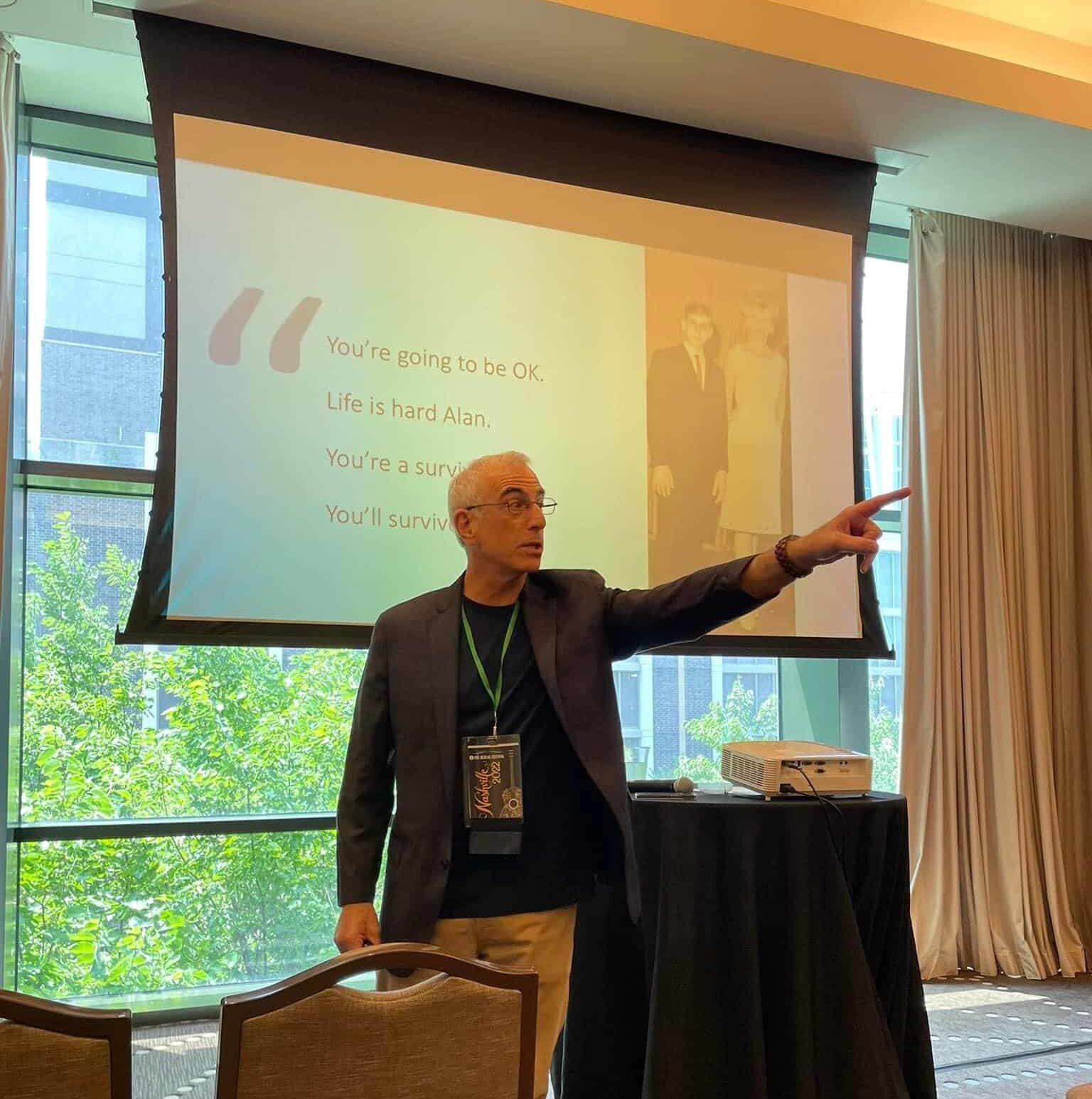
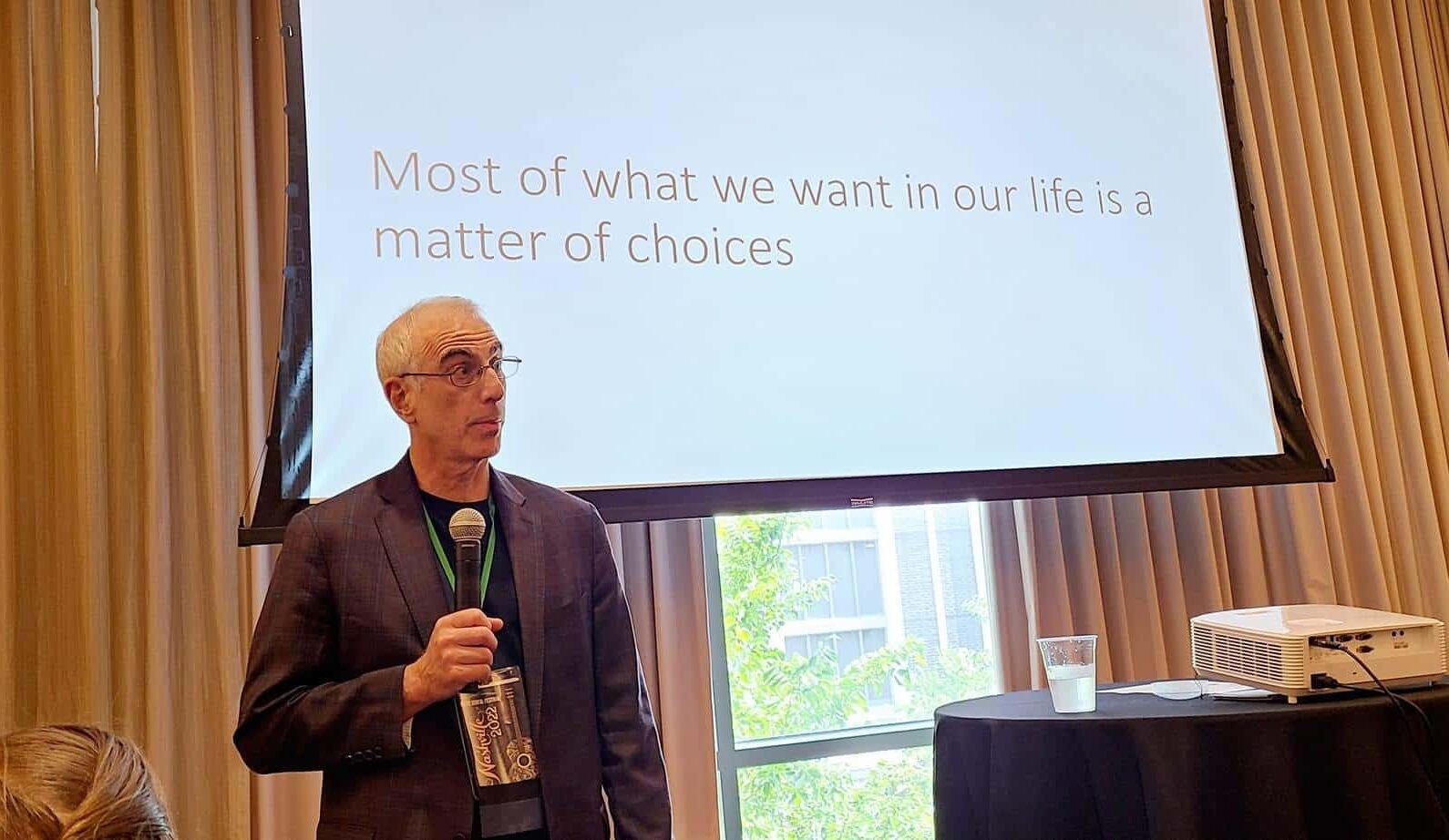
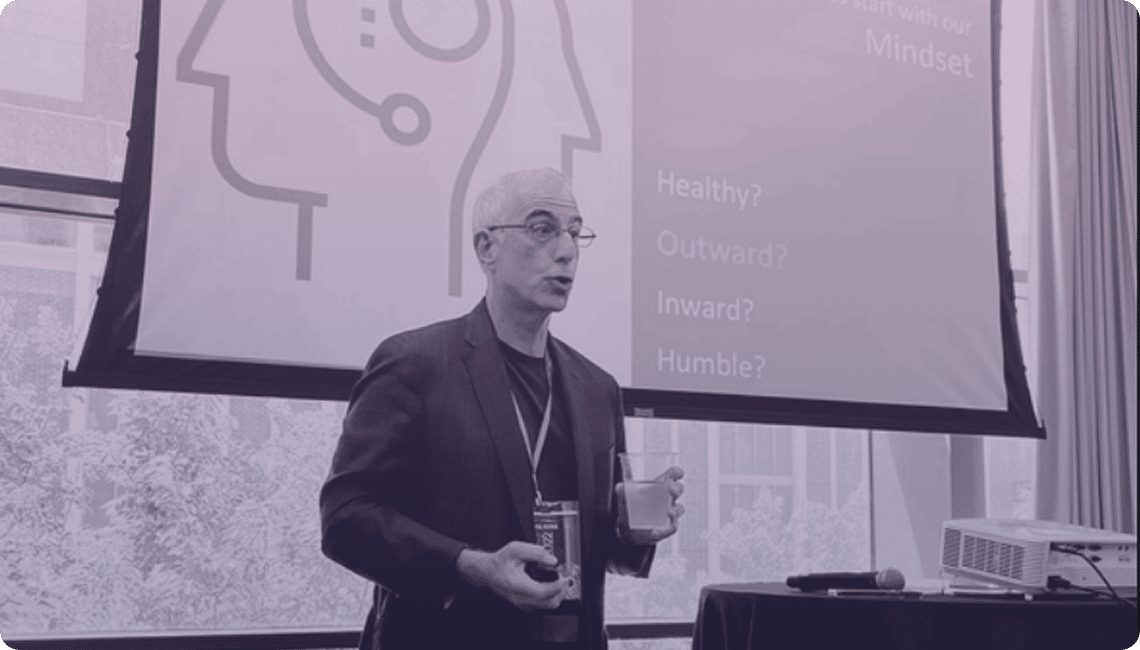
In Think Again, Adam Grant throws us the concept of constantly rethinking our truths, our practices, and our lives. And in our Leadership and Legacy retreat, our facilitators, Mary Osborne, Joan Unterschuetz, and Lee Ann Brady led us in processing this idea as we lead in our personal and PROFESSIONAL lives.
The tragic consequence of attachment impacts all of us all the time. Partisan politicians’ divisive sound bites and F- bomb laden social media blasts from people who embrace their truth on vaccination, social and fiscal policy, and religion, to name a few, objectify and demonize those who dare to have opposing viewpoints. All of these things have had significant mental health consequences on so many of us, have shattered previously cherished relationships, and have shut us out of some great learning and exploring.
In our practices, attachment to our own truth to the exclusion of other people’s truths, particularly those of our patients, will decrease our effectiveness in being a trusted resource for the people who need us more than ever. My good friend Dr Martha Rich very correctly pointed out that the dental community is among the very few places where people have the opportunity to spend time speaking and airing their concerns of almost all of their stressors and challenges. When we are both true to our own core values AND are open to GENEROUSLY LISTENING to and embracing the values of others, we become more trusted, more empathic, and more able to make their lives AND OURS better.
If, for example, a patient comes in with an attitude that they will not have any dentistry that an insurance company won’t approve or pay for, we can take the knee jerk reaction of wanting to throw up, or we can take the more curious “tell me more” approach, trying to learn their truth, their values, their wants, needs, fears, hopes, and limitations. If we can , as Mary Osborne teaches us, stay in the conversation, we have the possibility (not certainty) of earning trust and guiding that person to a solution which will accomplish what they truly want and perhaps raising their awareness of the most appropriate way to solve a problem. If, in this situation, we stay attached to our own truth about insurance, money, and good care, not only do we lock ourselves out of another person’s life; we also make the practice of dentistry needlessly more stressful than it already is! It’s fun getting to know people. It’s fun exploring and learning other points of view. And it’s fun when we can guide a person to their best outcome using our integrity and empathy. That’s doctoring -or dentisting, as Paul Goodman would say- in my world.
(Parenthetically, just last week we devoted 75% of a crown appointment time to a tear laden conversation with long-time patient who is getting bombarded by legal and family issues. She needed a shoulder to lean on and we were there for her. You may think we accomplished less for her than we had planned. Really and truly, we accomplished more with our listening than with our other skills! This person is a lifer in our office)
FFS and PPO are two very different models of dental practice. We so often hear of practitioners mocking those who dare to practice “the other way”. What good does that do? Is it not possible that the two truths can coexist? The evidence is clear that they do! This fall, I’ll be going to a Dental Nachos event in Philadelphia to see my friend Travis Campbell talk about how he integrates personalized care into his highly successful insurance driven practice. I will be looking at how his truth and mine can coexist in my practice. Maybe it can; maybe it can’t. But attaching myself irrevocably to my own truth (as opposed to my core values) shuts me out of new ways of thinking. I’m curious. By the way, Paul Goodman, please post a link to that event here.
Let’s pursue living our best life and giving our best care with both integrity and curiosity. Let’s not allow our passion and attachments to demonize those with other beliefs and ideas. After all, we are, with rare exception, good people trying to do good while doing well. And it’s really hard to dislike- or be disliked by- anyone if you just get to know each other a bit. That holds true for patients, team, colleagues, and anyone we meet.
Why not replace judgment and attachment (except those Zest anchors and precision attachments that may still be functioning well) with curiosity and explore some of the different WHYs behind the WHATs and the HOWs that we see? The possibility for learning, adapting, and relationship building is always present when we do this
Have a wonderful week. And of course, Enjoy the Ride!